Heritage Guide · Dazu
Dazu Rock Carvings: the UNESCO site most China tours skip
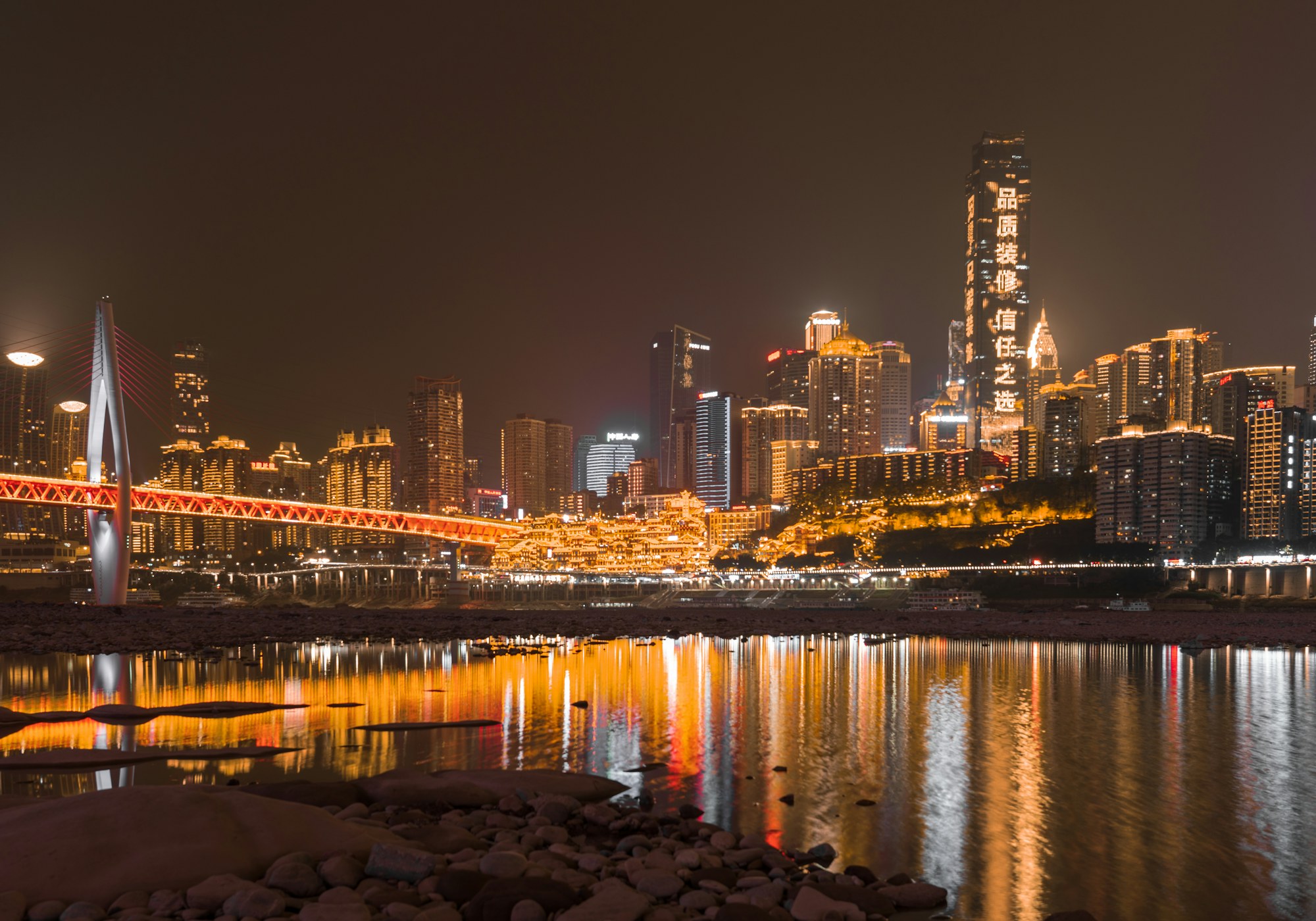
Ask a room of returned China travellers about the Terracotta Warriors and every hand goes up. Ask about Dazu and you’ll usually get silence — which is strange, because the Dazu Rock Carvings are a UNESCO World Heritage Site of the same magnitude: more than 50,000 statues carved into the hillsides around Chongqing between the 9th and 13th centuries. They survived in remarkable condition partly because they were remote. From Chongqing, they’re an easy day trip — and for many of our travellers, the single most memorable day of the trip.
On this page 5 topics
What makes Dazu different
Most famous Chinese Buddhist art — Dunhuang, Longmen, Yungang — tells its stories in caves, in the solemn language of temples. Dazu is different in two ways. First, much of it is carved in open cliff amphitheatres, in daylight, at monumental scale. Second, its Song-dynasty carvers mixed Buddhist, Confucian and Taoist themes and filled them with daily life: parents being cared for, farmers, drinkers in a tavern, a woman opening a door. Art historians call the Baodingshan carvings a “stone picture book” of 12th-century Chinese life. You don't need to know Buddhism to read them — you need a good guide and unhurried time.
The two sites to see
Baodingshan (Mount Baoding) is the headline: a horseshoe valley whose walls carry an almost continuous carved narrative — the Wheel of Life, the Thousand-Armed Guanyin (whose 1,007 hands were restored in an eight-year conservation project), the famous reclining Buddha, and vivid cautionary scenes of heaven and hell that look like a medieval comic strip. Allow at least two hours; the circuit is a one-way walk with steps.
Beishan (North Mountain) is older and quieter — carvings from the late Tang dynasty onward, finer and more intimate, in a shaded hillside above Dazu town. Travellers who love detail often prefer it. A full Dazu day comfortably includes both, with lunch in Dazu town between them.
Practical notes
- Getting there: About 1.5–2 hours by road from central Chongqing. There is no convenient high-speed rail option for a day trip — a private car is the practical way, which is one reason group itineraries rarely include it.
- Time needed: A full day (roughly 8 hours door to door) for both sites without rushing.
- Walking: The Baodingshan circuit involves steps and uneven stone; pace yourself. Beishan is gentler. Tell us about mobility needs and we'll plan the order and the rests.
- Combine it with: A Chongqing city stay — Dazu pairs with nothing else on the same day, and deserves not to. Our Chongqing + Chengdu + Dazu trip (8 days) and the Chongqing + Zhangjiajie + Dazu trip (8 days) both build it in as its own day. If you prefer a focused short journey, our 5-day Chongqing, Wulong & Dazu trip provides the ideal foundation.
Frequently asked questions
Why haven't I heard of Dazu?
It opened to foreign visitors only in the 1980s, sits outside the classic Beijing–Xi'an–Shanghai triangle, and needs a full day by road — three strikes for mass itineraries. Its UNESCO listing (1999) recognises it as the pinnacle of China's cliff-carving tradition.
Is Dazu suitable for children?
Surprisingly yes — the storytelling style works for kids better than most temple visits: monsters, animals, cause-and-effect scenes carved like a picture book. The walking is the main consideration for younger children.
Dazu or Wulong, if I only have one day trip from Chongqing?
Different trips entirely: Wulong is landscape (vast natural bridges and gorges), Dazu is art and history. Scenery-first travellers pick Wulong; culture-first travellers pick Dazu; most of our longer trips include both so you don't have to choose.
Editorial Integrity & Verification: Researched and published by China Journey Co. (ABN 66 703 178 509) — an Australian travel company creating private China journeys. Road access, conservation status, and site logistics independently checked on .