Practical Travel Guide · Australian Travellers
First time in China: 12 practical tips for Australians
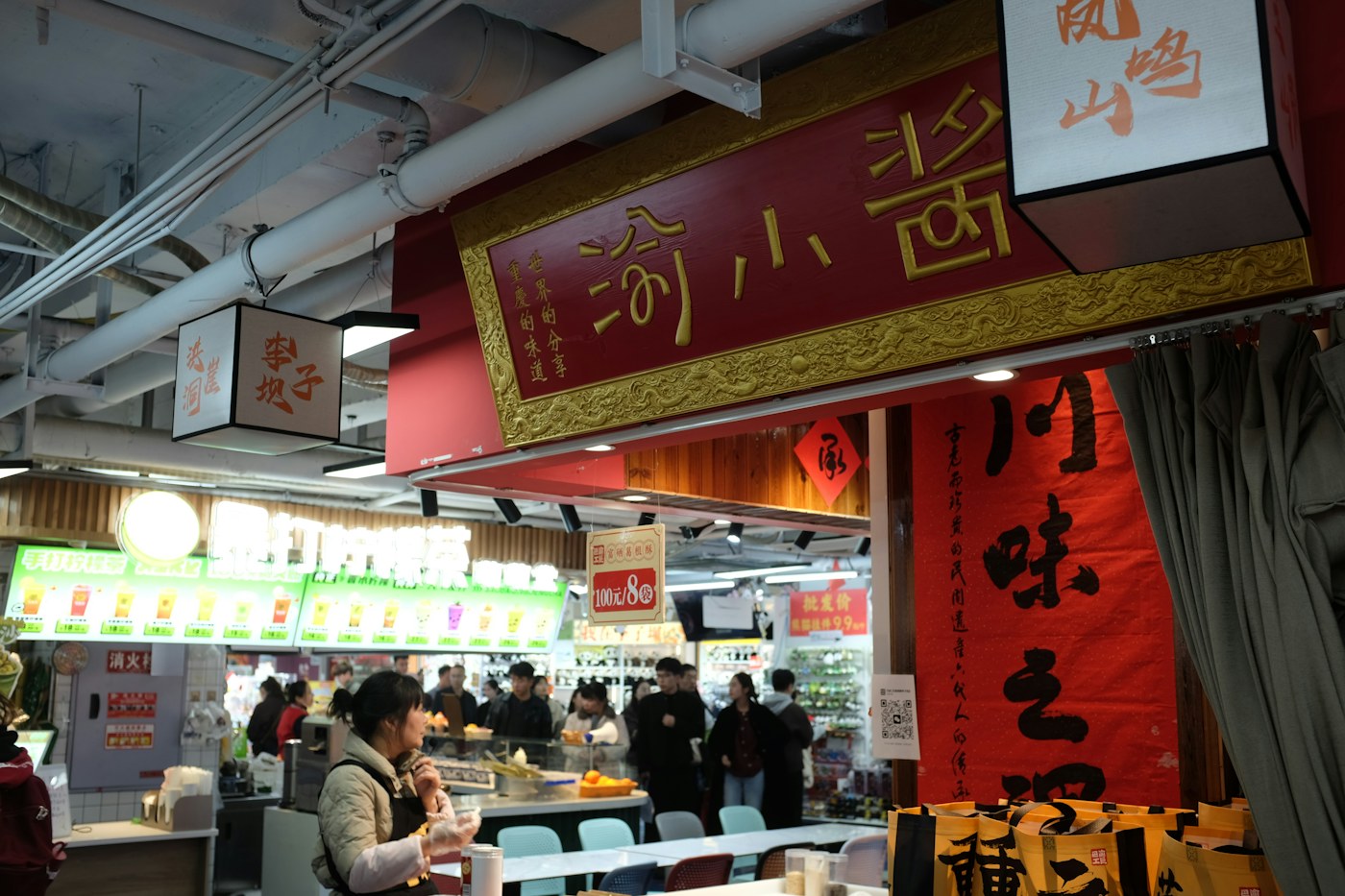
China is easier to travel than most first-timers expect — the trains are superb, the cities are safe, and your phone does almost everything. The friction points are different from Europe or Japan, though. These are the 12 things our travellers ask about most, in the order they usually ask them.
On this page 7 topics
1. Set up Alipay or WeChat Pay before you leave
China runs on phone payments — street stalls included. Both Alipay and WeChat Pay now let you link an Australian Visa or Mastercard in the app, verify with your passport, and pay like a local. Do it at home, on your own Wi-Fi, a few days before you fly. It takes ten minutes at home and causes most of the “my card won't link” stress when left to the airport.
2. Cash still works — carry a little
Merchants are legally required to accept cash, and a small float of renminbi (¥200–400) covers the odd taxi or market stall and any phone-payment hiccup. Australian banks and airport exchanges stock RMB; your guide can also point you to an ATM that takes foreign cards.
3. Roaming or a travel eSIM solves the internet question
Some Western apps and websites don't load on local networks in China, including WhatsApp and most Google services. The simple fix most Australians use: an international roaming day pass from your Australian carrier, or a travel eSIM bought before departure — both route your data so your usual apps work as normal. Download what you need (maps, translation packs, our contact details) before you go. On the ground, your hotel Wi-Fi plus your guide covers the rest — and note WhatsApp doesn't work on local connections, so we coordinate in-trip by WeChat and email.
4. Your passport is your ticket on trains
High-speed rail is the best way to move between Chinese cities — Chongqing to Chengdu takes about an hour. There's no paper ticket to lose: your passport is scanned at the gate. Bookings open about 15 days ahead and popular trains sell out, which is why our trips lock trains in when you book. Arrive at the station 45–60 minutes early; big-city stations are airport-sized.

5. Tipping: not expected, sometimes appreciated
In daily life in China, tipping isn't customary — restaurants and taxis don't expect it. For a private guide and driver who've looked after you for days, a discretionary tip is a normal and appreciated gesture; we give our travellers a suggested guideline before departure. It is never a requirement and never added to your bill by us.
6. Eat adventurously, order smartly
Menus often have photos; your guide will steer you to what's fresh and local rather than what's laminated for tour groups. Chongqing hotpot is famously fiery — “yuanyang” (split pot) gives you a mild half, and you can always ask for less heat. Tap water isn't for drinking; hotels provide bottled water, and boiled water is everywhere.
7. Carry tissues and hand sanitiser
Public toilets are plentiful and mostly clean, but many don't stock paper, and squat toilets are still common outside newer venues. A pocket pack of tissues solves the paper problem; your guide will point you to the best facilities at each stop (and knows which sights have the good ones).
8. Download a translation app with offline Chinese
English is common in big hotels and among younger people in major cities, much less so elsewhere. An offline translation pack — including the camera-translate feature for menus and signs — turns you independent fast. Our travellers have a local guide with them on touring days anyway; this is for your evenings and free time.

9. Expect security checks — they're routine
Metro stations, rail stations and major attractions run bag scanners like a small airport. It's quick, universal and nothing personal. Keep your passport on you rather than in the hotel safe; you may be asked for it at ticket checks, especially the Forbidden City and other capped attractions.
10. Book the famous sights early — they cap numbers
The Forbidden City and several other headline sites release a limited number of tickets per day and sell out, sometimes a week ahead in peak season. It's the least visible reason to plan ahead: on a private trip with us, admission bookings are part of what we secure when you book. Independent travellers should reserve as soon as tickets open.
11. Weather varies more than Australia suggests
China is continental. Chongqing in July is hot and humid (its famous fog is a cooler-months pleasure); spring and autumn are the sweet spots for most of our routes; Zhangjiajie's sandstone peaks are at their moodiest after rain. Check the month-by-month notes on each of our trip pages, and pack layers for the mountains even in summer.
12. Get travel insurance — properly
Medical care in big Chinese cities is good but not free for visitors, and a private trip involves trains, mountains and a lot of walking. Take out comprehensive travel insurance before you pay for the trip, not before you fly. It's strongly recommended on all our trips and required by nobody — just common sense.
Written by China Journey Co. (ABN 66 703 178 509), an Australian company running private trips to China. Tips checked 18 October 2026 — payment apps and entry rules evolve quickly; we update this page as things change.